











E-bike battery in summer: 5 mistakes that will ruin your battery - and how to do it right

The 5 summer mistakes at a glance
Before you read on – here are the 5 most common mistakes e-bike owners make in summer:
- Charge immediately after driving – the hot battery will be damaged
- Parking or charging in direct sunlight – temperatures above 40°C rapidly age the battery.
- Always charge to 100% – the 20-80 rule doubles the battery life.
- Continue driving immediately after a long journey – the battery needs a break
- Storing the battery incorrectly in summer – heat is the biggest enemy.
Avoiding these 5 mistakes can extend the lifespan of your e-bike battery many times over – and save you expensive replacement investments.
👉 Read now in detail how to protect your battery this summer!
1. Introduction
Summer, sun, e-bike riding – but did you know that this exact combination can ruin your battery?
Temperatures are rising, the days are getting longer – and many e-bike riders are enjoying the warmer months for extended tours. But what many don't know: summer heat is one of the biggest enemies of your e-bike battery.

Lithium-ion batteries, as used in almost all e-bikes, are sensitive to high temperatures. Above a cell temperature of 40°C, the battery ages rapidly. The consequences: noticeably reduced range, shorter lifespan – and eventually an expensive replacement battery, which can cost between 400 and 900 euros depending on the model.
Most of these problems can be avoided with a few simple rules of thumb. In this guide, we'll show you the 5 most common summer mistakes with e-bike batteries – and how to do it right. This way, your battery will remain powerful and long-lasting, even in hot weather.
2. How an e-bike battery works – and why it suffers particularly in summer
Before we get to the specific errors, a brief explanation of why heat is so damaging to the battery.
A lithium-ion battery consists of two electrodes separated by a liquid (the electrolyte). During discharge, lithium ions migrate from one electrode to the other – during charging, they migrate in the opposite direction.
The higher the temperature, the faster these chemical processes occur. While this initially sounds beneficial, it leads to faster wear and tear on the delicate structures within the battery – particularly the so-called "SEI layer" (Solid Electrolyte Interphase). This layer is essential for the battery's stability. If it is damaged by heat, the capacity is permanently reduced.
The golden rule: Lithium-ion batteries perform best at temperatures between 10 and 30 °C. Anything above that accelerates aging – already noticeably at 40 °C, and many times over at 50 °C.
This means that a battery regularly exposed to high temperatures in summer may only deliver 60–70% of its original capacity after two to three years. A well-maintained battery, on the other hand, often lasts 5–7 years with over 80% remaining capacity.
But now let's turn to the specific errors.
3. Mistake 1: Charging immediately after the drive

What many drivers do wrong
They return from a long summer tour, immediately connect the e-bike to the charger – and think they are doing something good by quickly recharging the battery.
Why this is a problem
After a drive, the battery is significantly heated up due to discharge and ambient temperature. If you then charge it immediately, the existing heat is compounded by the additional heat generated during the charging process. The cell temperature can reach critical levels – and high temperatures drastically accelerate battery aging.
Here's how to do it right
Allow the battery to cool down after driving. The recommended waiting time is 20 to 30 minutes – on extremely hot days, 30 to 60 minutes is better.
Rule of thumb: The battery should feel pleasantly cool (not warm) before charging. If it's still warm, it's best to wait.
Mistake 2: Parking or charging in direct sunlight

What many drivers do wrong
You leave your e-bike in the blazing sun after your ride – or even plug it into a public charging station outdoors.
Why this is a problem
Direct sunlight can heat the battery to over 40°C. If you then charge it, the temperature rises even further. The combination of heat, high charge level, and time is particularly damaging – and should be avoided as much as possible in summer.
According to the Austrian Automobile, Motorcycle and Touring Club (ÖAMTC), the battery should be stored in a dry place at temperatures between 10 and 20 °C. If you park your e-bike in the sun, you should remove the battery and move it to a cooler location during longer breaks.

Here's how to do it right
- Always park your e-bike in the shade.
- Remove the battery during longer breaks and store it in a cool place.
- Never charge in direct sunlight – find a shady, well-ventilated spot.
- The ideal charging ambient temperature is between 15 and 25 °C.
Tip: If you need to charge on the go, use shady spots or charge the battery indoors (where permitted). Charging a heated battery in the sun is one of the most expensive mistakes you can make.
5. Mistake 3: Always charging to 100%

What many drivers do wrong
They connect the battery after every trip and consistently charge it to 100% – assuming that "full" is always good.
Why this is a problem
Lithium-ion batteries do not "like" either 0% or 100% charge. A constantly high charge level (especially 100%) at high temperatures significantly accelerates aging.
The 20-80 rule The proven recommendation for a long battery life is: Keep the charge level between 20% and 80% for daily use.
According to a well-known study by Battery University, adhering to the 20-80 rule can extend the battery's lifespan by 2 to 3 times.
Here's how to do it right
- Only charge the battery to 80% in everyday use – many e-bikes and chargers offer a corresponding setting.
- Only charge to 100% if you really need the full range for a long trip.
- Recharge after every trip – but only up to 80%.
- Avoid leaving the battery at 100% charge for extended periods in the summer heat.
Tip: If your e-bike doesn't have a percentage display, you can use a smart plug to control the charging process. This prevents you from accidentally charging it to 100% overnight.
Mistake 4: Continuing driving immediately after a long drive (without a break)

What many drivers do wrong
On hot days you ride a long distance, take a short break – and immediately continue the ride without giving the e-bike and the battery a real cooling-off period.
Why this is a problem
The battery heats up during rides – especially on hot days, uphill, or at high assistance levels. If you then only pause briefly and immediately resume riding, the battery remains at a consistently high temperature. This continuously accelerates its aging.
Here's how to do it right
- Plan longer breaks on hot days – at least 15–20 minutes.
- Park the e-bike in the shade and remove the battery if you are taking a very long break.
- Avoid using the motor continuously at the highest support level in extreme heat.
Mistake 5: Storing the battery incorrectly in summer
What many drivers do wrong
They leave the battery in the hot car in the summer, in the uninsulated basement or in direct sunlight – or store it with a 100% charge for several weeks.
Why this is a problem
Heat is the biggest enemy of lithium-ion batteries. Temperatures above 30°C massively accelerate chemical aging. If a high charge level (100%) is also present, the damage is exponentially increased.
Here's how to do it right
- Store the battery at 10–20 °C – in a dry, cool and dark place.
- The ideal charge level for storage is around 50%.
- Never store the battery in the car – it can quickly get over 50°C in there during the summer.
- For extended periods of non-use (e.g., vacation): Charge the battery to approximately 50% and store in a cool place.
Tip: If you won't be using your e-bike for several weeks (e.g., on vacation), charge the battery to about 50% and store it at room temperature. This will ensure it's in good condition when you return.
8. How different e-bike models handle heat
Not every e-bike is equally well-suited for hot days. The difference often lies in the details – and can play a role in the purchase decision.
Battery position
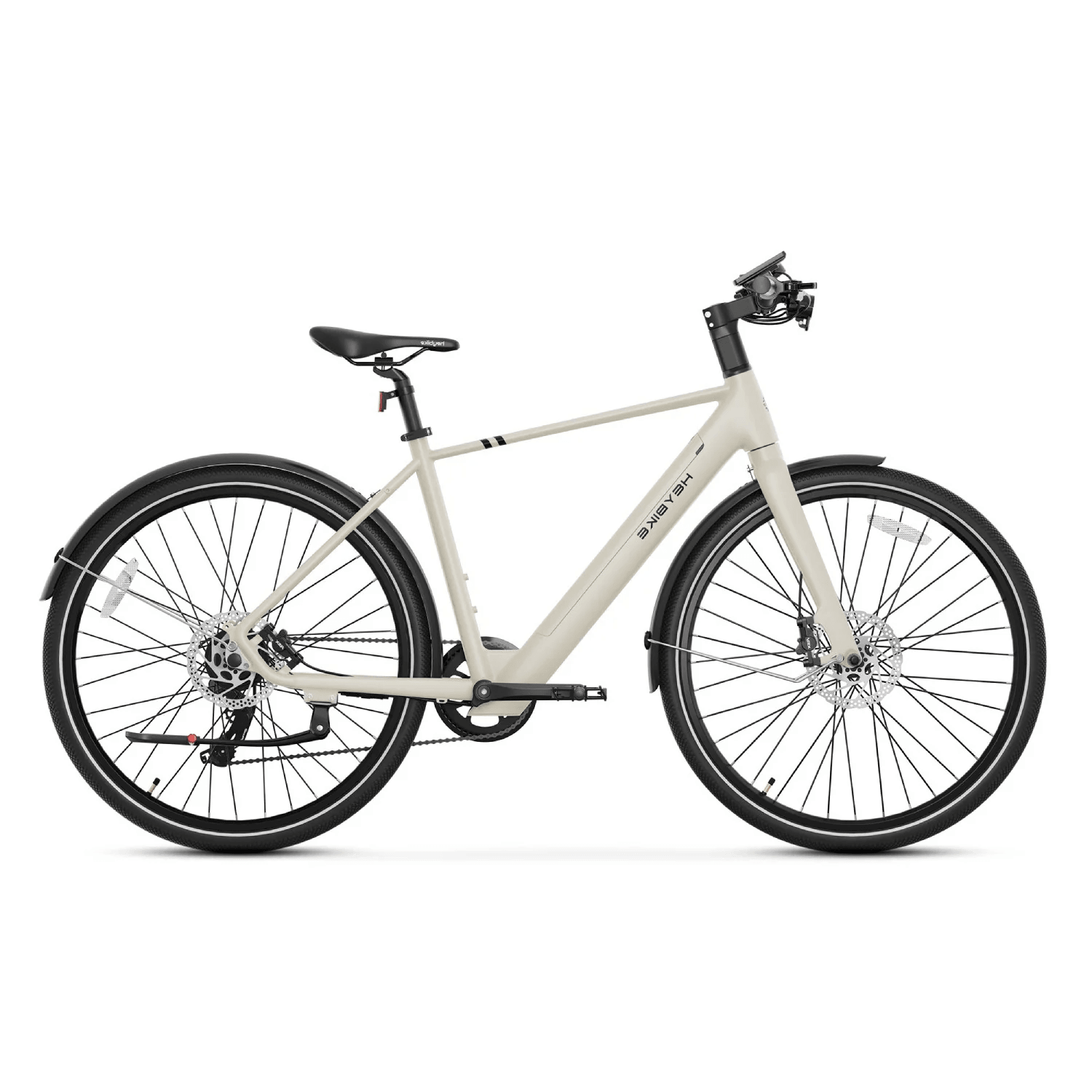
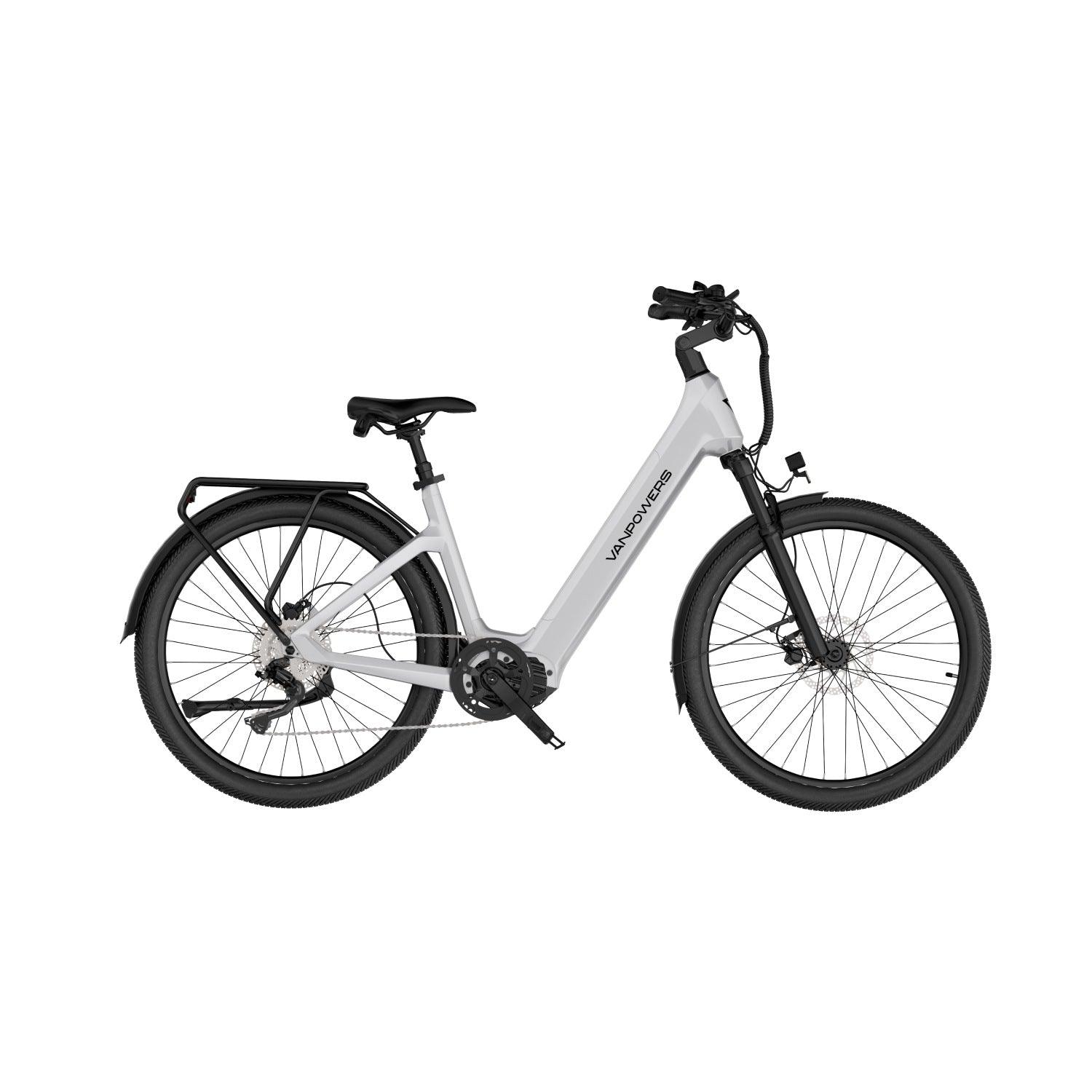
E-bikes with integrated battery are often better protected from direct sunlight than models with external battery on the luggage rack. The frame provides natural shade and ensures a more stable temperature.
At twopoint.store You will find models like this
Engine type
A internal rotor motor (as in
material
A Carbon frame Carbon dissipates heat differently than an aluminum frame. It stores less heat, which can mean that the battery in a carbon frame heats up less in direct sunlight.
Tip: If you frequently use your e-bike in high temperatures, pay attention to the following when buying one:
- Integrated battery in the frame (instead of external on the luggage rack)
- Engine with low self-heat generation
- Good air circulation around the battery
At twopoint.store We will gladly advise you on which model best suits your usage profile!
9. The 5 summer mistakes at a glance
| Mistake | This happens | Do it right |
|---|---|---|
| 1. Charge immediately after driving | Battery overheats during charging | Let cool for 20–60 minutes. |
| 2. Park/charge in the sun | Cell temperature > 40 °C – rapid aging | Park in the shade, remove the battery |
| 3. Always charge to 100% | High charge level + heat = double the damage | Follow the 20-80 rule |
| 4. No breaks in the heat | Battery remains constantly hot | Longer breaks, shade, let the battery cool down |
| 5. Incorrect storage | Heat + 100% = maximum aging | At 10–20 °C & Store approximately 50% |
10. Conclusion: Simple rules for a long-lasting battery
An e-bike battery is one of the most expensive components of your bike – a replacement costs between 400 and 900 euros, depending on the model. You can significantly extend its lifespan by following a few simple rules of thumb:
- Allow to cool down after driving before charging.
- Park in the shade – never in direct sunlight.
- Using the 20-80 rule in everyday life
- Plan longer breaks in hot weather.
- At 10–20 °C and approx.Store 50%
Avoiding these 5 mistakes will not only protect your battery – but also your wallet.
At twopoint.store All e-bikes come with a 2-year warranty – including the motor and battery. This ensures you're covered even if the battery is defective.
👉 Get your e-bike now at twopoint.store discover
11. Frequently asked questions about e-bike batteries in summer
Can I charge my e-bike battery indoors?
Yes – this is actually recommended, as indoor temperatures are usually within the optimal range (15–25 °C). Make sure you don't charge in direct sunlight and that the room is well-ventilated.
How can I tell that my battery is aging?
The first signs are a noticeably reduced range over the same distance and with the same assistance level. Longer charging times can also be an indication.
Can I still use the battery at 40°C?
Yes, driving is generally unproblematic. It's important that you let the battery cool down sufficiently after driving before charging it.
Is the 20-80 rule really important?
Yes. According to Battery University, following this rule can extend the battery's lifespan by two to three times. It is especially crucial in summer when heat and a high charge level coincide.
Can I charge the battery overnight?
It is not recommended to charge the battery unattended or while sleeping. If possible, use a smart plug with a timer.
How much does a new e-bike battery cost?
Depending on the brand and capacity, prices range between 400 and 900 euros. High-end models can cost over 1,200 euros.
Can I store the battery in the basement during the summer?
It depends on the basement. If it's cool (10–20 °C) and dry, that's fine. If it's damp or very warm (e.g., an uninsulated basement in an older building), you should choose a different location.
What do I do if the battery overheats while driving?
Some modern e-bikes have a temperature protection feature that reduces assistance if the battery gets too hot. If your bike doesn't have this feature and the battery gets extremely hot: Take a longer break in the shade, remove the battery, and let it cool down sufficiently.
Can I charge the battery even in the rain during the summer?
Never charge the battery outdoors in rain or damp conditions. Always use dry, covered locations.
Note: All technical specifications are based on manufacturer information and current research results (as of 2026). Errors and omissions excepted.


Leave a comment