










Safe on the bike in autumn and winter
For many, cycling is a seasonal pleasure: spring and summer are considered classic cycling seasons. But you can also cycle or ride an e-bike safely in autumn and winter – if you follow a few important tips, according to the experts at DEKRA and ADO.
TIPS FOR CORRECT DRIVING BEHAVIOR
A defensive driving style is recommended year-round on two wheels, but even more so in autumn and winter: "Always approach curves cautiously – even if you only suspect that the road might be slippery – avoid sharp lean angles and, if possible, hard braking," advises DEKRA and ADO Expert. "Otherwise, very critical situations can arise suddenly in wet conditions, with leaves, gravel, or even patches of black ice."
The recommendation to take one helmet Wearing a helmet is recommended all year round, but especially in autumn and winter when there is a higher risk of falling.
When there is snow or extreme weather conditions are forecast, you should consider switching to public transport. Those who still decide to cycle will then be able to do so with a mountain bike and... wide tires.

ESPECIALLY CHECK RIM BRAKES REGULARLY
Wear and tear, especially on rim brakes, can increase significantly after frequent riding in the rain, says the DEKRA expert: "Water picks up road grime, which is then spread across the brake tracks in the spray – and acts like sandpaper when braking, causing increased wear. That's why it's important to keep a close eye on the condition of rim brakes." Disc brakes are not as susceptible to this type of increased wear.
LOWER RANGE OF E-BIKE BATTERIES IN WINTER
Those riding e-bikes, especially on longer journeys, should consider the impact of cold temperatures on battery performance. Cold temperatures reduce the available capacity and therefore the range.
"While cold weather doesn't permanently damage the battery, to minimize the problem of reduced range, store and charge your battery indoors, ideally at room temperature, and only take it outside when you're ready to start your journey," recommends the ADO expert.
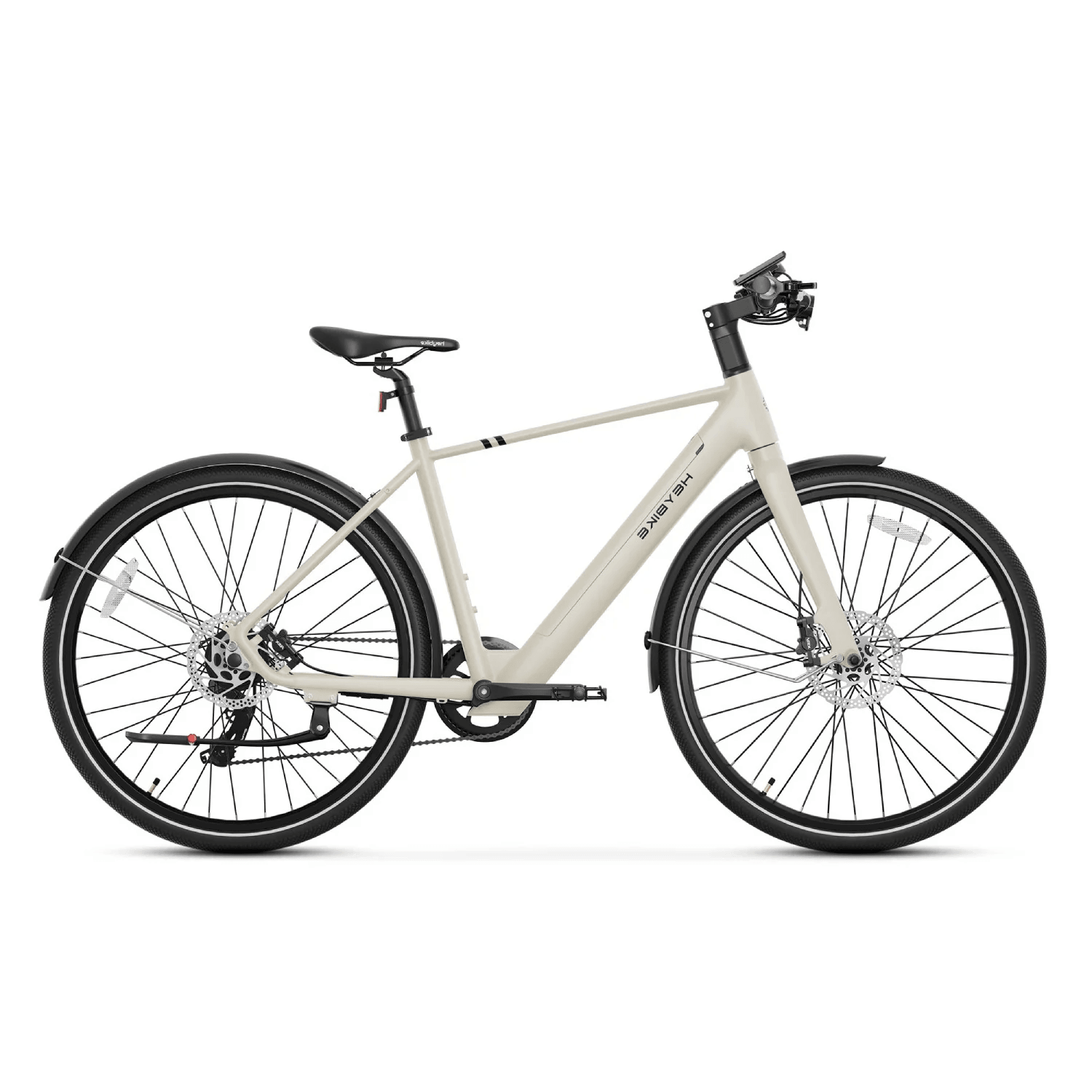
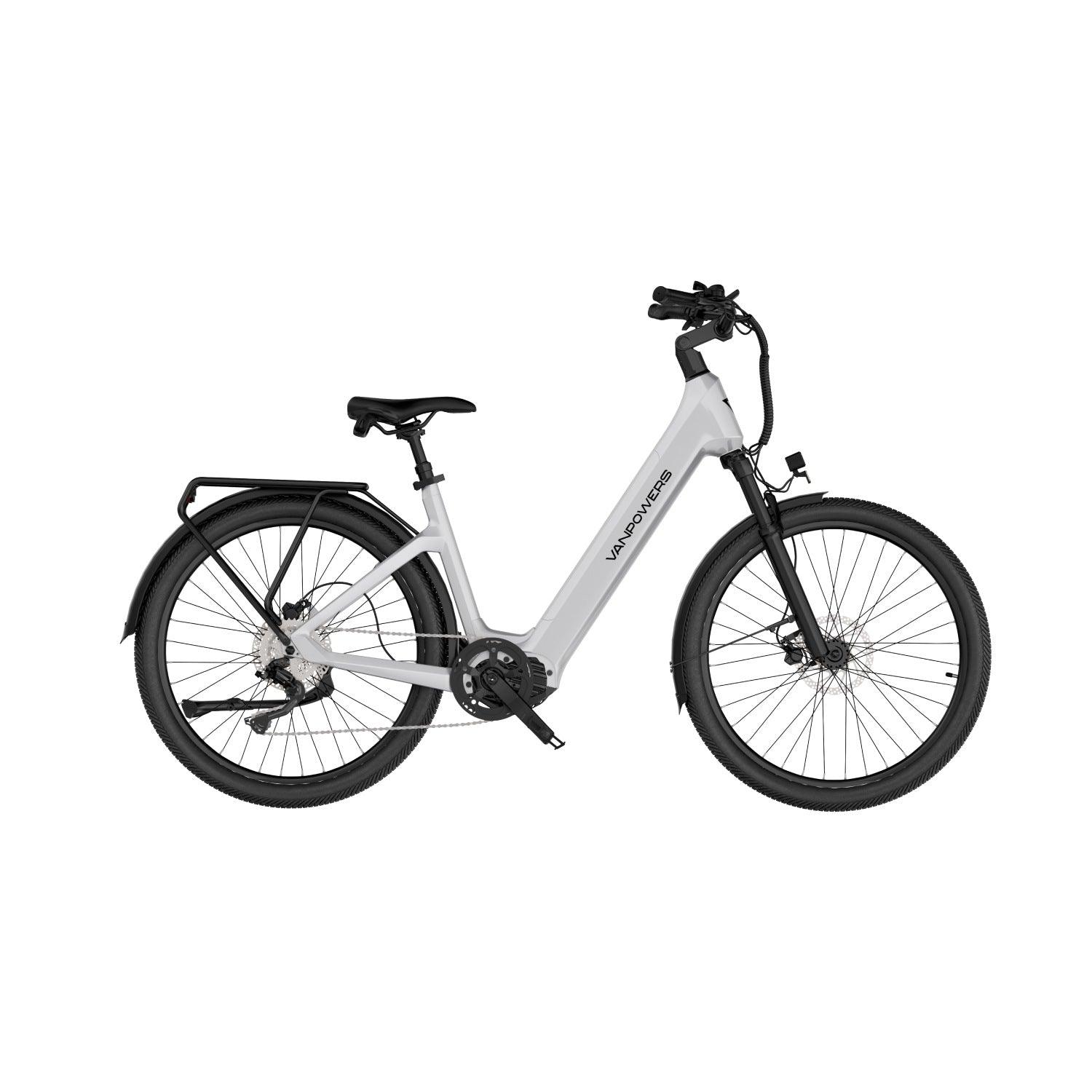
Anyone currently considering buying a new e-bike and who would like to ride in autumn and winter should also consider a model with Fat tires for e-bikes Consider this: "When braking on wet surfaces, e-bikes with wider tires have a clear advantage. Our comparative tests have shown this."


Leave a comment