










What is a self-cleaning litter box and how does it work?
If you own a cat, you know that cleaning the litter box isn't exactly a highlight of the day. The constant scooping, sifting, and removal of waste can be tedious and unpleasant. What if there were a better, more efficient method? Here's what we have to offer. self-cleaning cat litter boxes into the game.

What is a self-cleaning litter box?
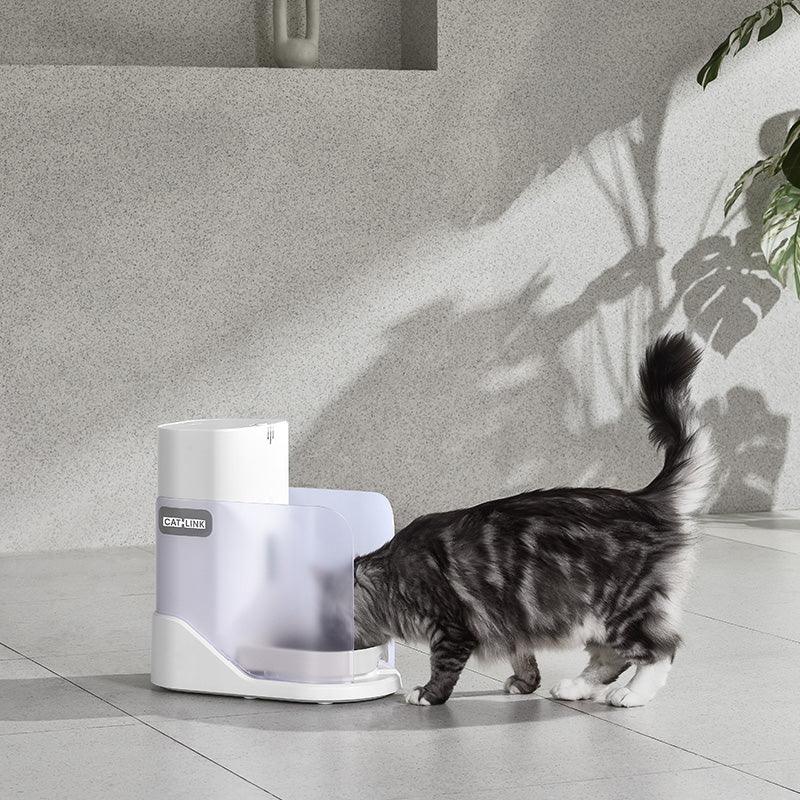
Self-cleaning litter boxes are essentially automated versions of traditional litter boxes. Instead of manually removing waste, the device takes care of this automatically. This means less work, less odor, and less waste.

How does a self-cleaning litter box work?
Most self-cleaning litter boxes have sensors that detect when your cat has left the box. After a certain period of time, during which the waste has accumulated, a mechanism is activated that transports the waste into a separate container. Here are the general steps:
 Sensors: They detect when a cat enters and leaves the litter box. Some systems also have weight sensors to ensure that cleaning doesn't start while the cat is still inside.
 Time delay: After the cat leaves the toilet, the system waits a few minutes to allow the feces to settle.
 Cleaning mechanism: Depending on the toilet's design, it could be a rake, a sieve, or a rotating platform. It collects the clumped feces and transports them to a... Waste bin.
 Waste bin: This is typically a sealed area that minimizes odors. On many models, the container can be closed with a lid or flap, allowing for easy removal and emptying without contact with the waste.
 emptying: From time to time, the waste containers need to be emptied, the system cleaned, and fresh water added if necessary. cat litter can be refilled.


Leave a comment